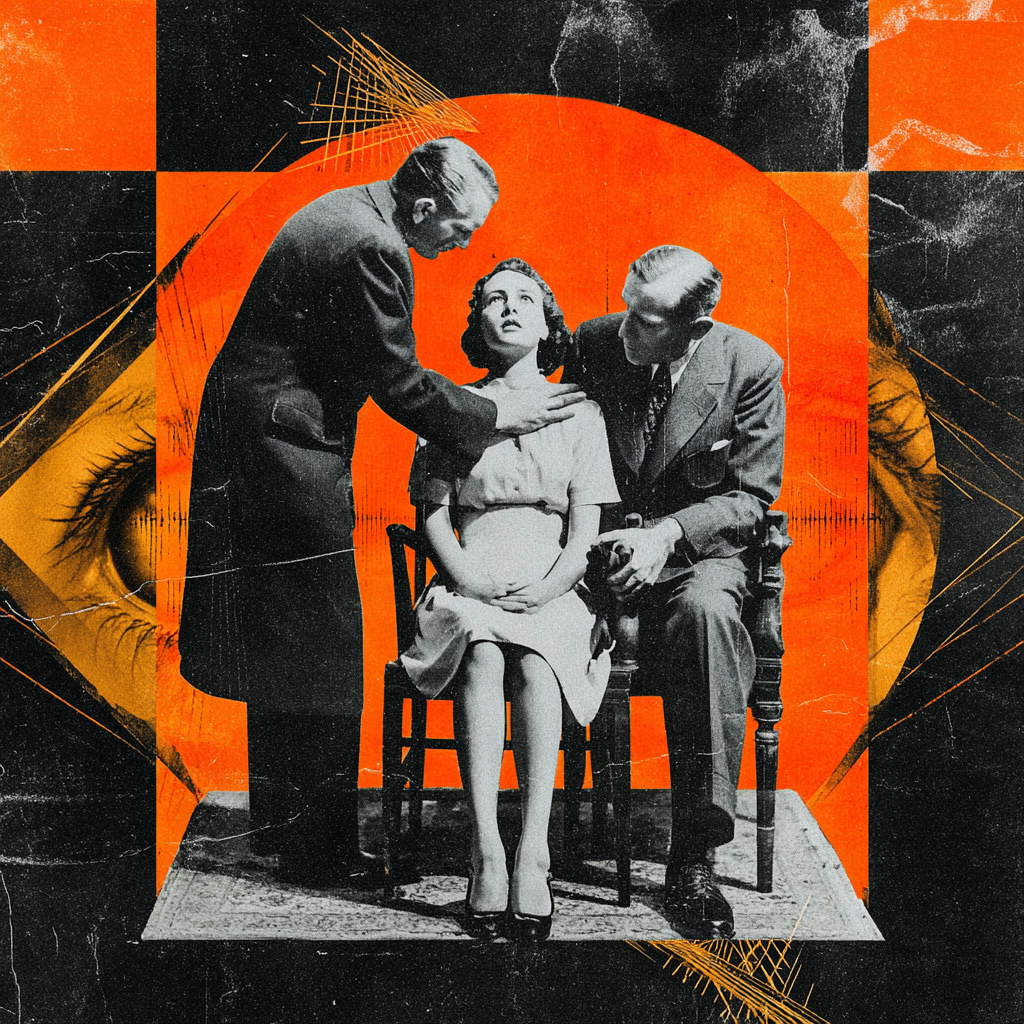
 MKULTRA
CIA
Records ordered destroyed.
Behavior-control experiments on unwitting people — and in 1973, the files were ordered destroyed. What accounting survives, survived by accident.
CHURCH COMMITTEESENATE HEARINGS
SpyVault puts the primary record — millions of released and declassified pages — beside an AI that cites every answer and a community that checks its work, so you can investigate for yourself without surrendering judgment to institutions, influencers, or gatekeepers.
Government statements and outsider theories face the same test: sources, corroboration, chronology, contradictions, and track record. Institutions have buried the record before, and a viral thread can outrun it — so SpyVault doesn't tell you what to conclude. It hands you the documents, and the means to judge them yourself.
MKULTRABehavior-control experiments on unwitting people — and in 1973, the files were ordered destroyed. What accounting survives, survived by accident.
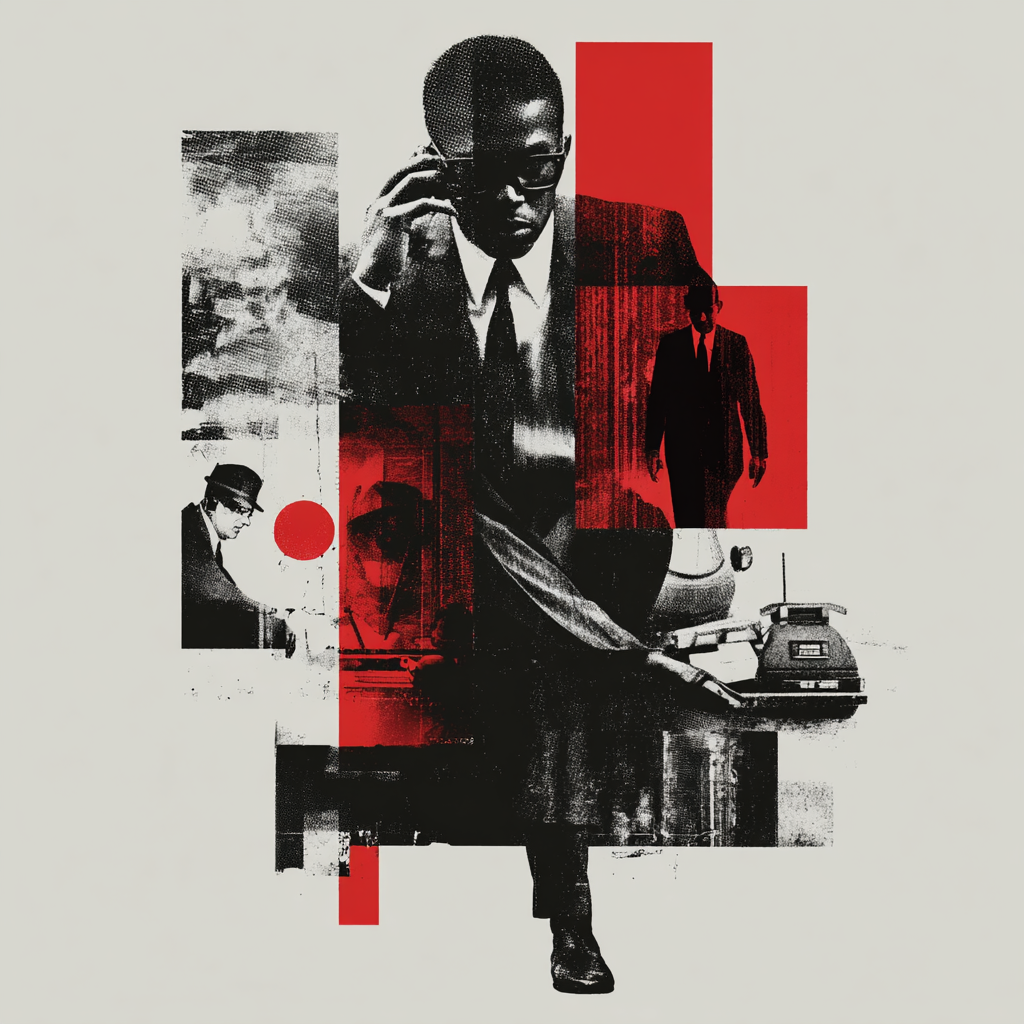 COINTELPRO
A covert campaign against Americans — smears, forged letters, sabotage — invisible until the document trail surfaced and made it undeniable.
 GULF OF TONKIN
Internal uncertainty about the “second attack” was downplayed while it helped justify a war. The NSA's own declassified history now says so.
None of this asks you to distrust everything. It asks you to read the record and reach your own verdict — which is exactly what SpyVault is for.
You don't need a badge, a degree, or permission to work a document trail. If you can read, compare, question, and stay honest — you belong here.
Read together, live — share a clip, ask the beginner question, watch a find happen in real time.
The Standard is simple: accusations need receipts, and the innocent stay protected. A find without a source is just a post.
You're a handle here — never a real name. Investigate without a spotlight.

The archive is built from primary sources — court releases, declassified files, official productions — ingested verbatim, page by page, kept exactly as released. Today those come from government records; the bar for anything we add is the same: a trustworthy primary source, preserved unedited. Members can bring their own material too, but it stays on their board, marked as theirs — never folded into the record. Either way the Standard holds: a claim needs a page, and you can open it.
Preserved exactly as released. OCR makes the page searchable — it never rewrites it. Redactions stay redacted.
Every answer, clip, and claim carries its source — document and page. Receipts aren't a feature here; they're the culture.
Each document keeps its chain — where it came from and when. The archive is immutable: no one edits it. Not even us.
Each is a complete, primary-source archive — the raw record behind a story you already have questions about. Start where your curiosity already is.
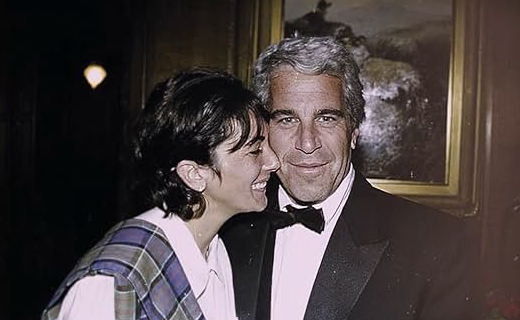
Flight logs, depositions, filings — millions of pages no one could read in a lifetime. This is the archive people come to work with AI: sweep the entire record at once, then check every answer against the page it cites.

AARO reviews and DoD releases, with footage filed beside its paperwork. A live front: records become searchable as they land — so you read what was actually released, not what a headline said about it.
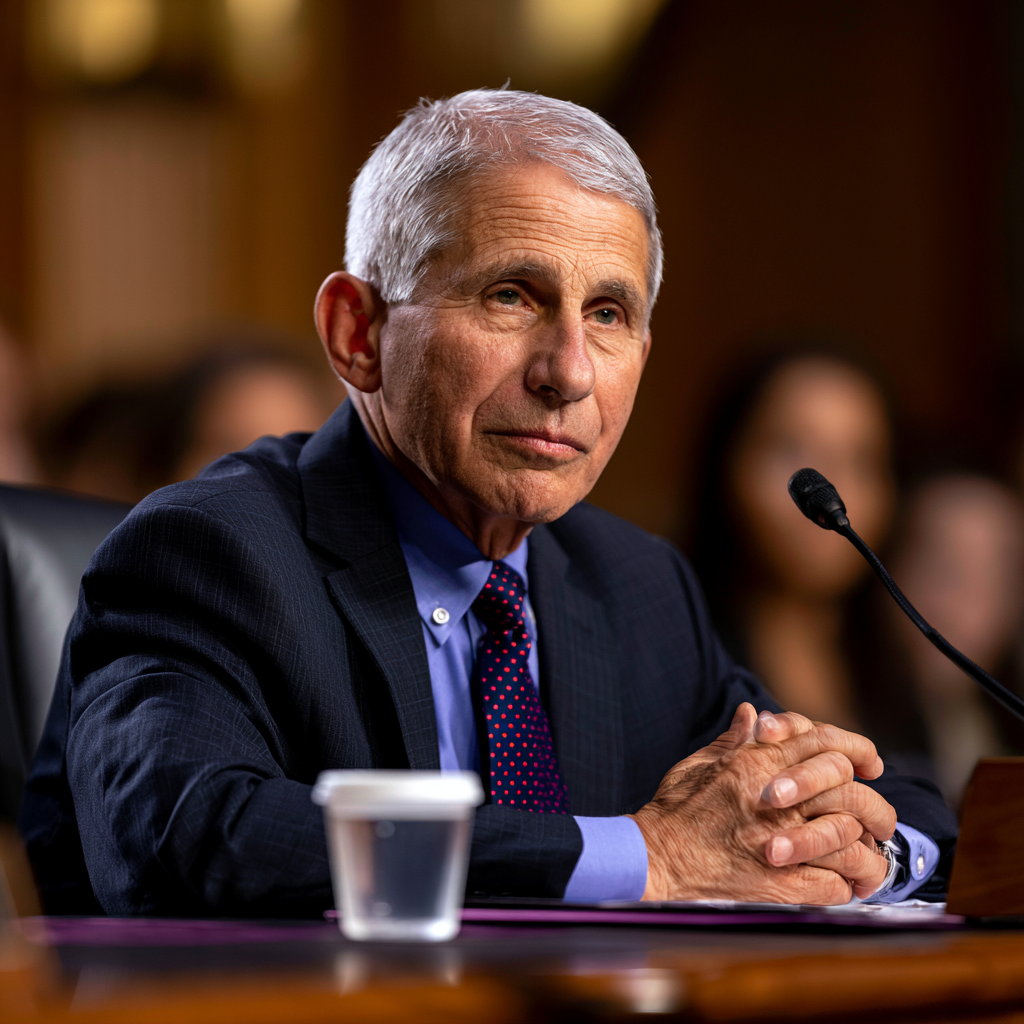
The DNI's declassifications, agency emails, grant files, hearing transcripts — the primary sources underneath the decade's loudest argument, finally in one searchable place.
This is where millions of pages stop being a wall. The copilot doesn't just find documents — it reads across thousands of them, cross-references what it finds, and reasons over the evidence, then answers with citations to the page. Or tells you honestly when the record doesn't say. A guide to the evidence, never a substitute for your judgment.
Full-text across every page, filing, frame, and transcript — the whole corpus at once, not a sample.
It reads across thousands of documents, cross-references them, and surfaces contradictions, patterns, and timelines — with a citation for every claim.
Clip the page, keep the quote, save it to your board — everything lands with its provenance attached.
Your board is your case file — clips, notes, cited answers. Judgment that matures instead of scrolling away.
The documents are here. The tools are ready. The room is open. All that's missing is your questions.